

Angela R. Pashayan
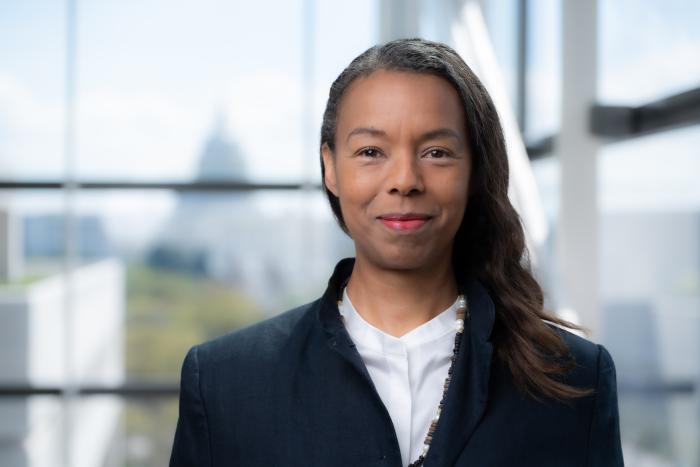
Angela R. Pashayan
Lecturer
Professorial Lecturer
Contact:
Dr. A.R. Pashayan is an Africanist. Her professorial background includes teaching in Washington, DC at Howard University, American University, and at Johns Hopkins School of Advanced Int’l Studies (SAIS) where her book, “Below the Proletariat,” was voted the #1 Best Summer Read in 2024. Dr. Pashayan earned a PhD from Howard University (2022), MA degree in Diplomacy and Int’l Relations at Norwich University, VT, and BA in Psychology at UCLA. Pashayan has published articles in Foreign Policy Magazine, The Conversation, Bulletin of Atomic Scientists, Brookings Foresight Africa, and numerous academic journals. Dr. Pashayan has spoken on the UN floor and serves as an ECOSOC Advisor to the United Nations as part of her 10+ year fight to raise awareness of international development issues for residents of Africa's slums, with particular expertise in Nairobi, Kenya. She arranges experiential trips to Kenya for students and has conducted primary research in Nairobi’s second largest slum - Mukuru. Pashayan launched a podcast, The New Frontier of Int’l Development in 2025 post the dismantling of USAID. In her spare time, Dr. Pashayan offers private service to students in the areas of research and/or writing their thesis/ dissertation.
Spring 2026:
PSC 2993 Informal Settlements & Development
Books:
Development in Africa's Informal Settlements: Below the Proletariat
Articles:
Murumba, R. N., & Pashayan, A. R. (2024). Political trust in the age of coronavirus: experiences in Mukuru, Nairobi, Kenya. Frontiers in Political Science, 6. https://doi.org/10.3389/fpos.2024.1331229
Pashayan, A. (2024). How debt and taxes conspired to rob Nairobi’s slum-dwelling youth of the promise of a better life. The Conversation. https://doi.org/10.64628/aai.skja6j9kc
Pashayan, A. R. (2024, February 29). Informal settlements and climate change in the “last mile of urbanization.” Brookings. https://www.brookings.edu/articles/informal-settlements-and-climate-change-in-the-last-mile-of-urbanization/